Whether it’s a game, a software tool, or an app, every digital product comes with four essentials—download, installation, system requirements, and troubleshooting. If you skip any of these, chances are you’ll run into problems later. This guide will walk you through each step in simple language so you can get started without frustration.
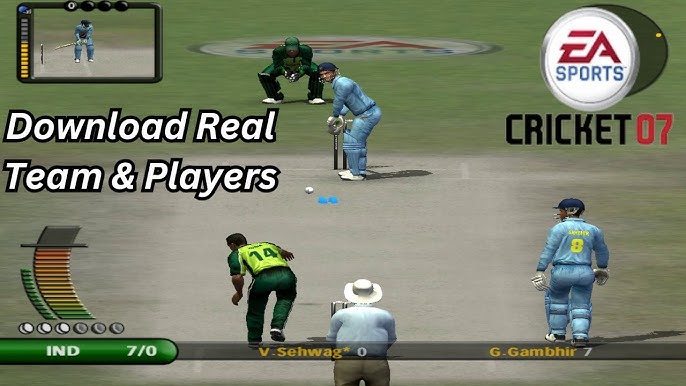
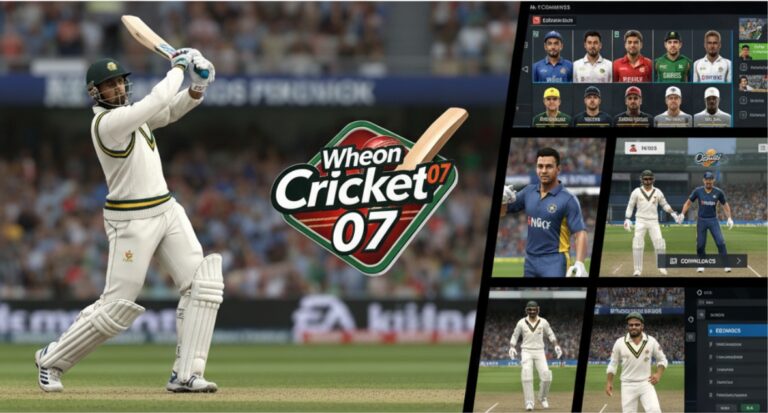
Step 1: Downloading the Software Safely Wheon Cricket 07
Before you install any software, downloading it from a reliable source is critical. According to Statista, more than 30% of PC users in India alone have faced malware infections from unofficial downloads.
Best practices for safe downloads:
- Always use the official website or verified platforms.
- Avoid cracked or third-party files that may contain viruses.
- Check for the latest version to ensure compatibility and security.
- Scan the file with antivirus software before opening.
Step 2: Installation Process Made Simple
Once the file is downloaded, installation is usually straightforward, but problems can occur if you miss certain steps.
General installation guide:
- Locate the installer file (usually .exe for Windows, .dmg for macOS).
- Double-click and run as administrator to avoid permission errors.
- Follow the on-screen setup wizard.
- Choose installation location (default works fine for most users).
- Finish setup and restart if prompted.
💡 Pro Tip: If the software supports custom installation, review advanced options—you may disable unwanted add-ons or toolbars.
Step 3: Understanding System Requirements
Before installation, always check the system requirements. Running software on incompatible hardware often leads to crashes or poor performance.
Common requirements to check:
- Operating System: Windows, macOS, or Linux version supported.
- Processor: Minimum CPU (e.g., Intel i3, AMD Ryzen).
- RAM: Most modern apps need at least 4GB; high-end games need 8–16GB.
- Graphics Card: Essential for gaming or design software.
- Storage Space: Ensure you have enough free disk space for installation.
📌 Example: A typical game might require Windows 10, Intel i5, 8GB RAM, and 2GB dedicated GPU.
Step 4: Troubleshooting Common Issues
Even with proper download and installation, errors can occur. Here are some quick fixes.
Common download problems
- Slow speeds → Use a stable internet connection or download manager.
- Corrupt files → Re-download from the official site.
Installation errors
- “Access denied” → Run installer as administrator.
- Missing DLL files → Install Microsoft Visual C++ Redistributable.
Compatibility issues
- Run the program in compatibility mode (Windows settings).
- Update drivers and OS patches.
Performance problems
- Close background apps to free RAM.
- Update GPU drivers for better graphics performance.
- Adjust in-app settings (lower resolution or disable extras).
Why These Steps Matter
Skipping one of these four steps can create bigger issues later. For instance:
- Ignoring system requirements may cause lagging or crashes.
- Installing from unsafe sources can lead to malware infections.
- Not troubleshooting early may force a complete reinstallation.
By following best practices, you save time and avoid unnecessary frustration.
Final Thoughts
Mastering the basics of download, installation, system requirements, and troubleshooting ensures a smooth experience with any software. Always start with a safe download, confirm your PC specs, install carefully, and keep troubleshooting steps handy.
With this approach, you’ll spend less time fixing errors and more time actually enjoying the software or game you installed.